Halal Wedding Cake Guide for UK Muslim Couples
Choose a halal wedding cake with confidence. This practical UK guide covers ingredients, certification, allergens, tastings, delivery and venue setup.
Words by PlanMyNikah Team
13 October 2026
9 minute read
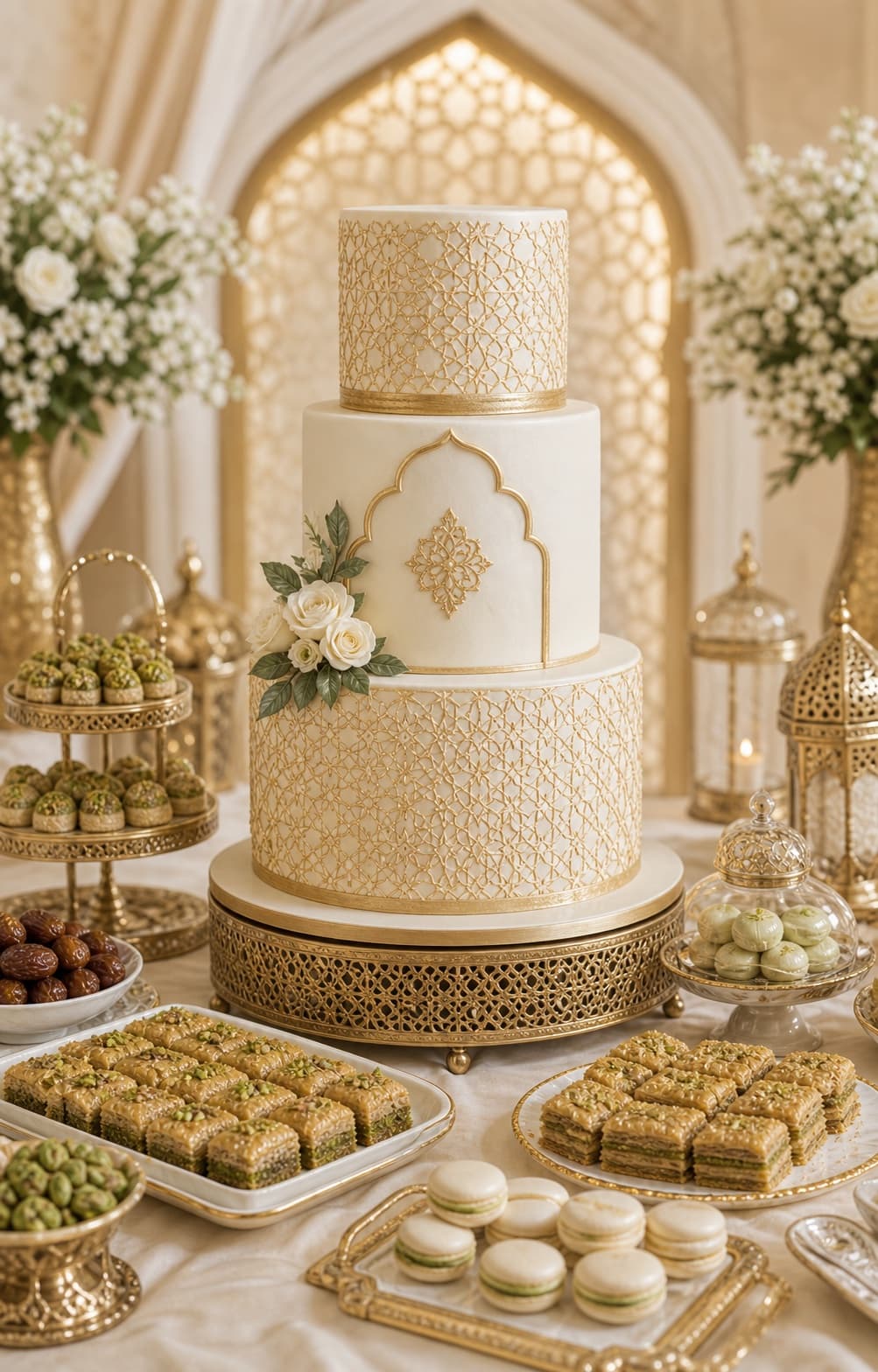
Choosing a wedding cake should feel joyful, but Muslim couples often need answers that go beyond flavour and decoration. A cake may look suitable while still leaving questions about gelatine, alcohol-based flavourings, decorations, shared equipment or allergen handling.
This halal wedding cake guide helps UK couples turn those questions into a clear brief for the baker. It covers ingredients, certification, tastings, design, delivery and venue setup, so you can make a decision that suits your values and your celebration.
What makes a wedding cake halal?
There is no special shape or flavour that makes a wedding cake halal. What matters is the ingredients used, where they come from and how the cake is prepared and handled.
Start by asking the baker how they support a halal claim. A clear answer should explain the recipe, decorations and kitchen process, rather than relying only on phrases such as “suitable for Muslims” or “no pork”.
Ingredients worth checking
Most everyday cake ingredients are straightforward, but fillings, flavourings and decorations can introduce less obvious questions. Ask about:
- alcohol in flavourings, syrups, fruit cakes or decorative sprays;
- gelatine in mousses, marshmallows, glazes or ready-made decorations;
- animal-derived fats, emulsifiers or other processing aids where the source is unclear;
- sweets, chocolates and toppers supplied by another manufacturer;
- brushes, sprays or products used to finish the display cake;
- shared utensils, storage and preparation areas if the bakery also makes products containing ingredients you avoid.
Ask for a direct explanation you can keep with the booking. If an ingredient is uncertain, ask whether it can be replaced or its source confirmed.
Halal-certified and halal-friendly are not identical
A certified product or bakery has been assessed by a certification body against its standard. “Halal-friendly” is usually the business's own description of its ingredients and process. It may still meet your needs, but it is not automatically the same as independent certification.
Ask which organisation issued any certificate, what it covers and whether it is current. A certificate for one ingredient does not necessarily cover the finished cake or the whole kitchen. Agree your standard before paying a deposit, and consult a trusted scholar or certification body if a technical question remains.
Create your cake brief before contacting bakers
A useful enquiry gives the baker enough detail to advise you properly. Include:
- the event, such as a nikah, walima, mehndi or combined reception;
- the date, venue and delivery postcode;
- your approximate guest count and whether cake is the main dessert;
- your halal requirements and the evidence you would like to see;
- known allergies and dietary needs;
- your preferred flavours, colours and overall style;
- whether the venue will cut and serve the cake;
- any separate portions needed for guests with dietary restrictions.
Send the same brief to each baker so you can compare like with like. Browse cakes and desserts suppliers, then verify each supplier's ingredients, availability and processes directly.
Choose a cake that fits the celebration
The cake should fit the event. A small nikah meal may suit a simple cutting cake with cupcakes, while a walima in a large hall may need a stronger centrepiece and serving plan. A mehndi could use colours or patterns that connect with the décor.
Think about how the cake relates to the rest of the food. If guests are already receiving a rich dessert, a lighter sponge or smaller serving may be more enjoyable. If cake is replacing dessert, tell the caterer and venue so they can plan plates, cutlery and service. The Asian wedding food menu guide can help you balance the wider meal.
Display cake, cutting cake or dessert table?
A tiered cake is only one option. You might choose a smaller display cake, individual desserts, cupcakes or a mixed dessert table. Each affects transport and serving.
Ask what is cake, what is decorative and what guests will be served. For hired display items, confirm delivery, collection and damage terms in writing.
Make the tasting a working appointment
A tasting is not only about choosing your favourite flavour. Use it to test how the baker communicates and whether the final plan is realistic.
Discuss the sponge, filling and finish as a complete combination. Ask whether the sample uses the same recipe and halal-checked ingredients planned for your order. If fresh cream, fruit, chocolate or another temperature-sensitive filling is involved, confirm storage and display requirements with both the baker and venue.
Bring reference images, but explain what you like about them. It may be the colour, piping, floral arrangement or overall mood rather than an exact copy. Be open to changes that make the design safer to transport and more reliable in the venue.
Before leaving, confirm which decisions are still open, who will provide missing information and when the design becomes final.
Treat allergens as a separate safety check
Halal and allergen requirements answer different questions. A halal cake may still contain common allergens, and an eggless or vegan cake is not automatically safe for someone with a serious allergy.
The Food Standards Agency requires food businesses to provide allergen information. Tell the baker about allergies in writing and ask how they manage ingredients, shared equipment and cross-contact. Do not promise a guest that a cake is safe until the bakery has confirmed what it can provide.
If a separate portion is being made, ask how it will be labelled, packaged, transported and served without being mixed up. Share the final plan with the venue or caterer, including the name of the person guests should approach with questions.
Plan delivery and venue setup early
A beautiful cake can still fail if nobody owns the handover. Ask the venue when the baker may arrive, where delivery vehicles can stop and who will receive the cake. Confirm whether the room, table and stand will be ready.
Confirm whether the cake arrives assembled or is finished at the venue, where it will be displayed and how it will be protected from heat and guest traffic.
Agree the cutting time too. Decide who makes the announcement, who removes decorative elements and who cuts, plates and distributes portions. If part of the cake is being saved for family, label the box and nominate someone to take it home.
Questions to ask a halal wedding cake baker
Use these questions during your first conversation:
- What makes your cakes halal, and can you explain the evidence you rely on?
- Do any recipes, fillings, flavourings or decorations contain alcohol or animal-derived gelatine?
- Are third-party sweets, chocolates, toppers and sprays checked too?
- Do you make non-halal products in the same kitchen, and how do you manage shared equipment?
- What allergen information can you provide for the chosen recipe?
- Can you accommodate eggless, vegan or other dietary requests without promising an allergen-free result?
- Will the tasting sample match the final recipe?
- Who delivers and sets up the cake, and what access is required?
- What display conditions does the cake need?
- Who provides and collects the stand, knife or decorative structure?
- What is included in the quotation, and which changes may affect the final price?
- What happens if the baker cannot deliver the agreed cake?
For broader checks on deposits, changes, cancellation terms and responsibility, use PlanMyNikah's questions to ask Muslim wedding vendors.
Put the final agreement in writing
Your booking document should identify the event, delivery details, design, flavours, fillings, dietary requirements and agreed halal evidence. It should also cover setup, hired items, payment dates, changes and cancellation terms.
Check that the written design matches the latest conversation. If fresh flowers are added, confirm who supplies them and who makes them suitable for use around food.
Keep one final version and share the practical handover details with the venue. A short written plan protects the couple and gives the suppliers a common reference.
Common mistakes to avoid
The most common problem is assuming that “vegetarian”, “alcohol-free” and “halal” all mean the same thing. They answer different questions, so ask for the information that matters to your family.
Other avoidable mistakes include checking only the sponge but not the filling or decorations, discussing allergies verbally, booking before the venue approves external cake suppliers, forgetting collection arrangements for hired stands, and leaving the cutting plan until the reception is already running.
You can prevent most of these issues with a clear brief, a written ingredient conversation and a named contact for delivery day.
The practical edit
Frequently asked questions
Are wedding cakes automatically halal?
No. The basic recipe may be suitable, but fillings, flavourings, gelatine, decorations and kitchen processes still need checking. Ask the baker to explain the full finished product.
Can a halal wedding cake be eggless?
Yes, a baker may offer an eggless recipe that also meets your halal requirements. Eggless describes one ingredient choice, so you should still check the rest of the recipe and the bakery's process.
Is vanilla extract suitable for a halal cake?
Vanilla products and flavourings can be made in different ways, and families may follow different guidance about alcohol used in flavourings. Ask for the exact product and seek advice from a trusted certification body or scholar if needed.
Does halal certification mean the cake is safe for allergies?
No. Halal certification and allergen safety are separate. Give the bakery the allergy details in writing and ask what it can safely accommodate, including the risk of cross-contact.
How do we choose the right cake size?
Tell the baker your guest count, whether every guest will be offered cake, whether it replaces dessert and how the venue plans to cut it. The baker can then suggest a practical size and serving format without unnecessary waste.
A halal wedding cake does not need to make planning complicated. Choose a baker who answers clearly, check the whole finished product and connect the cake plan with your venue and caterer. PlanMyNikah can help you find relevant suppliers, while your written checks make the final choice personal and confident.
Sources: Halal Food Authority, halal certification; Food Standards Agency, allergen guidance for food businesses. Sources checked 13 October 2026.
The letter from the editor
Wedding planning tips, straight to your inbox
Nikah checklists, budget advice and practical ideas, about twice a month. No spam.
Continue the edition
Related reading
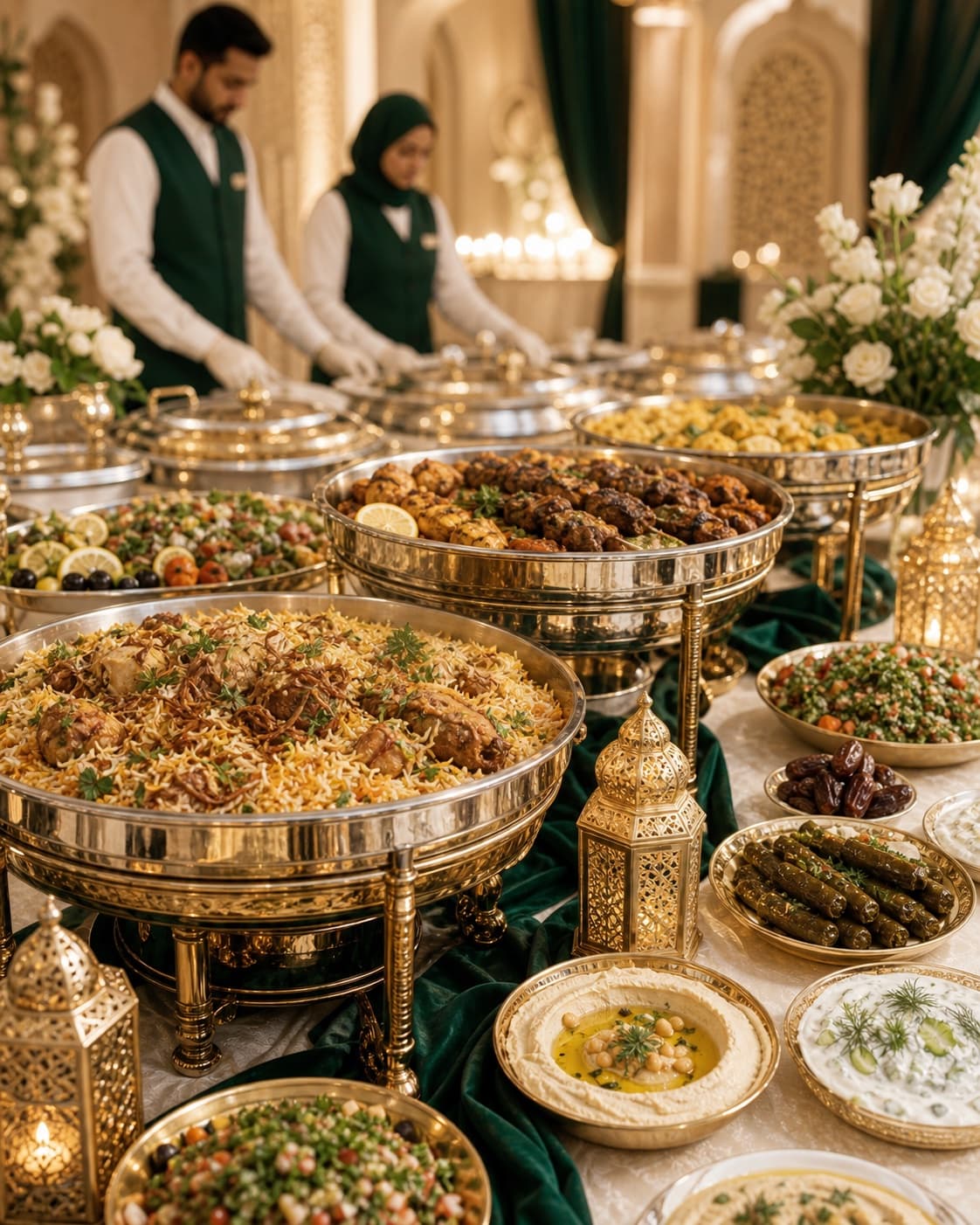
Asian Wedding Food Menu Ideas for UK Muslim Couples
Build a balanced halal menu for your mehndi, nikah, baraat or walima. This practical UK guide covers dishes, service styles, allergies and tasting questions.
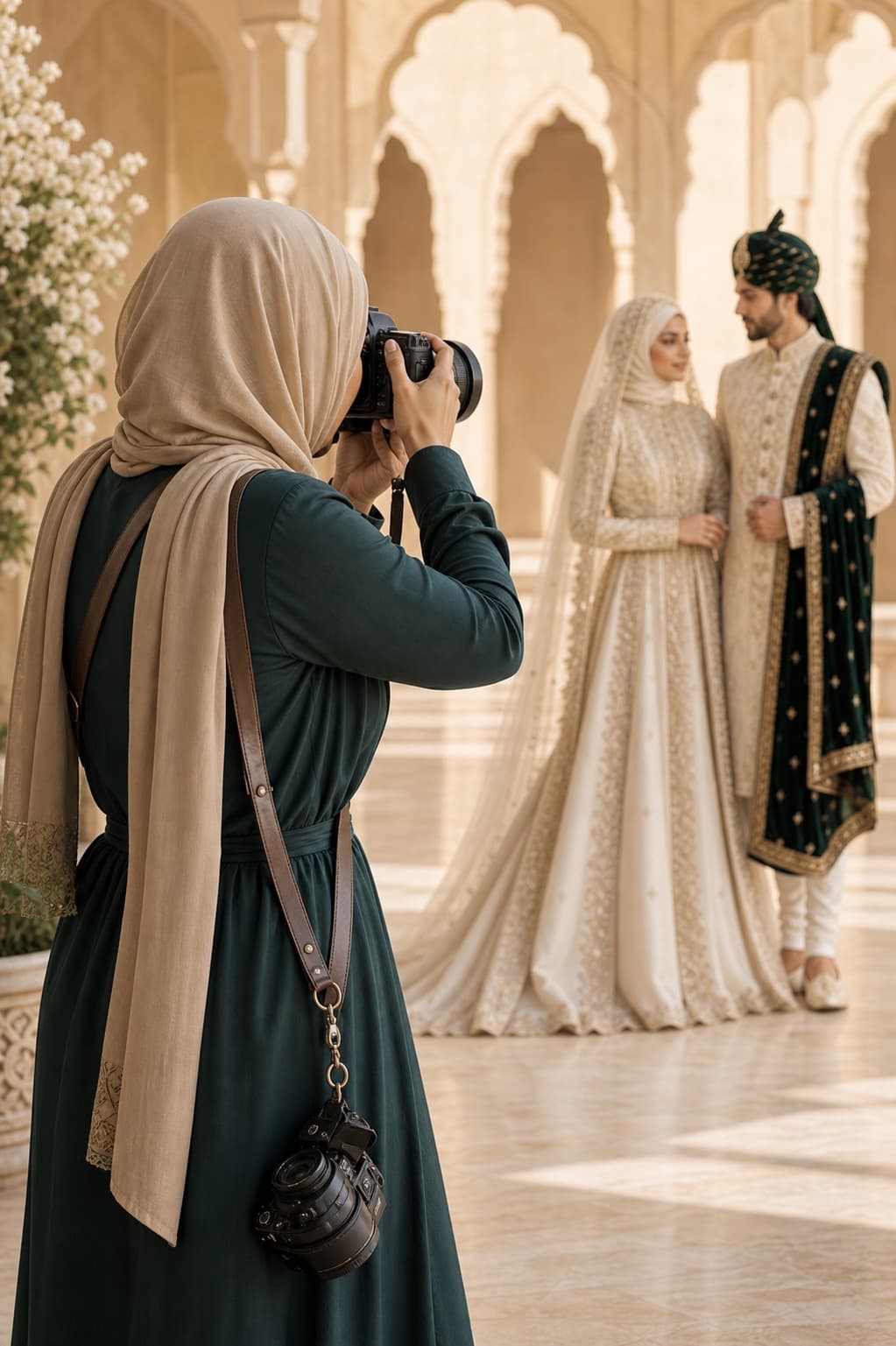
Muslim Wedding Photography Shot List: Nikah, Mehndi and Walima
Plan the photographs that matter at your nikah, mehndi, baraat and walima. This practical UK guide covers family groups, privacy, ceremony moments and the final photographer brief.
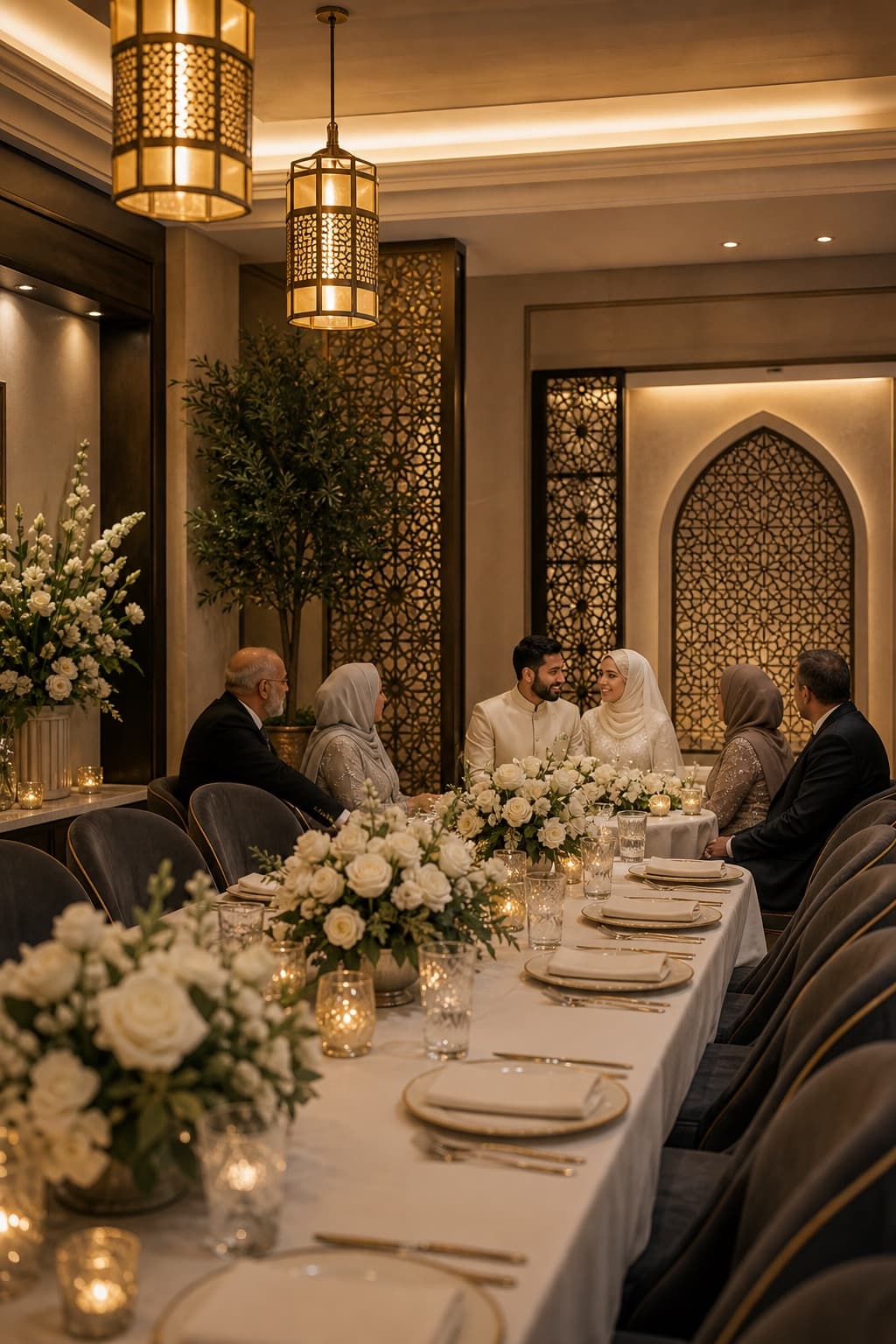
Walima Planning Checklist for UK Muslim Couples
A practical walima planning checklist for UK Muslim couples, covering guests, budget, venues, halal catering, privacy, suppliers and the running order.