Walima Planning Checklist for UK Muslim Couples
A practical walima planning checklist for UK Muslim couples, covering guests, budget, venues, halal catering, privacy, suppliers and the running order.
Words by PlanMyNikah Team
22 September 2026
9 minute read
Updated 23 September 2026
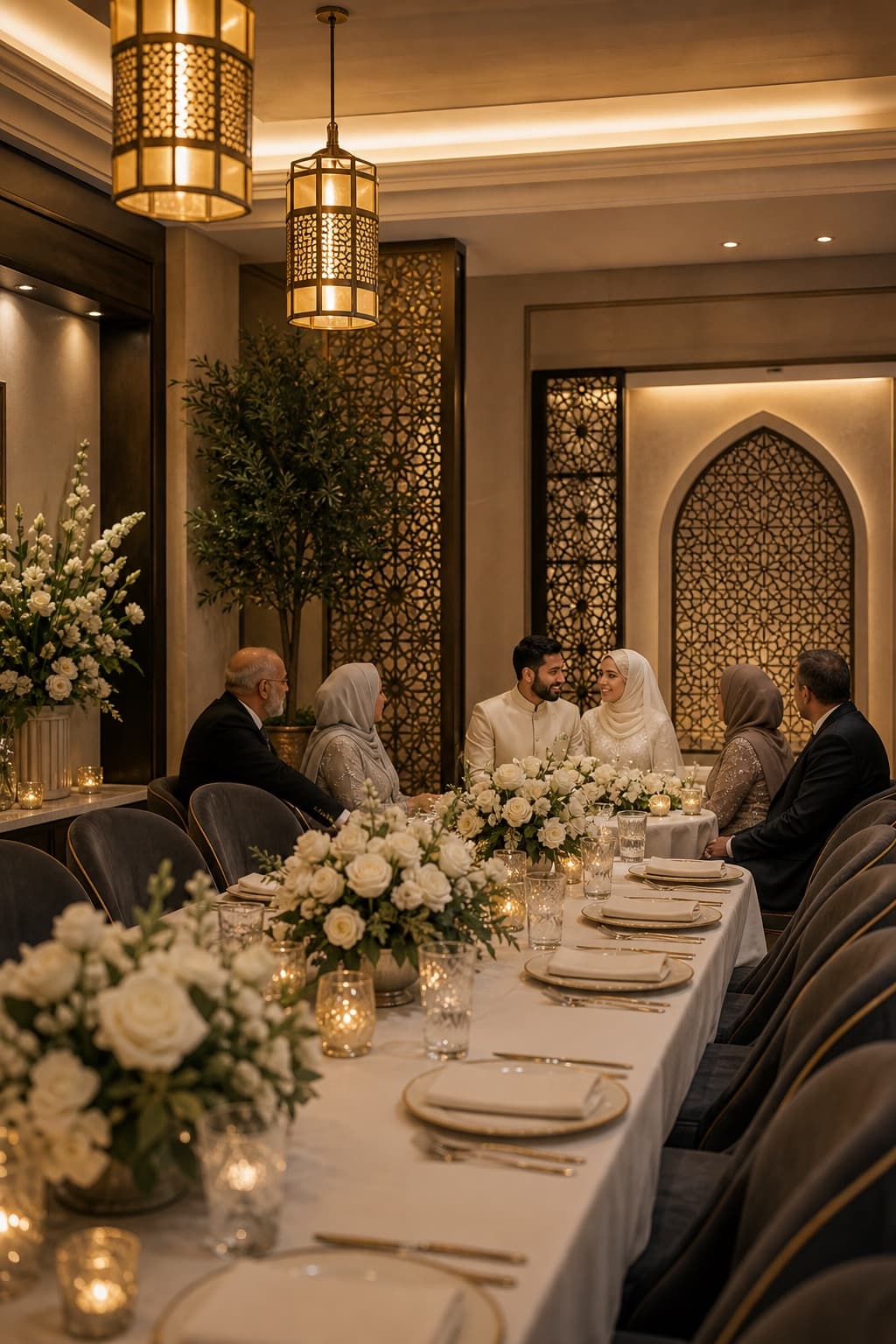
A walima should feel like a joyful welcome into married life, not another round of pressure after the nikah. This checklist is for UK Muslim couples arranging anything from a meal at home to a restaurant gathering or larger reception.
Start with the purpose of your walima
Before discussing colours, stages or menus, agree what the gathering is for. A walima is the wedding feast held to celebrate and announce the marriage. If you want a fuller introduction, read what a walima is and how it differs from other wedding events.
Your celebration does not need to copy somebody else's. It may be a family meal, a community gathering or a formal reception. Both spouses and anyone contributing money or work should understand the plan.
Write down a simple purpose before booking anything. For example: “We want a relaxed halal meal where both families can meet, pray comfortably and celebrate without a packed programme.” That sentence becomes a filter for every later decision.
Agree your boundaries early
Talk privately as a couple before holding a wider family meeting. Discuss:
- the size and atmosphere you can comfortably manage;
- your overall spending limit;
- whether you want separate, partially separated or mixed seating;
- your approach to music, entertainment and photography;
- whether the walima will follow the nikah on the same day or be a separate event;
- which traditions matter to each family and which are optional.
Decide who is organising what
Questions about who hosts or pays for a walima often mix religious guidance, culture and family custom. Traditional expectations commonly place hosting with the groom, but real UK arrangements vary. Couples and families may divide tasks or costs by agreement. If you need a religious ruling for your circumstances, ask a trusted local imam rather than relying on a planning article.
For the practical side, give every important job one named owner. “The family will sort catering” is too vague. Record who will request quotes, approve the menu, pay the deposit, provide the final guest count and speak to the caterer on the day.
Walima planning checklist before you book
The early decisions should reduce uncertainty. Try not to pay a deposit until the guest plan, venue requirements and budget make sense together.
Set a realistic guest list
Begin with named guests rather than a hopeful total. Separate confirmed priorities from people you may invite if space allows. Ask both families to flag children, older relatives, wheelchair users, guests travelling from another city and anyone who may need help with language or transport.
Decide whether the walima guest list is different from the nikah or mehndi list. Guests should not have to guess which event they are invited to.
Set the budget ceiling
Agree the maximum you can spend before gathering inspiration. Then create headings for venue, food, clothing, photography, décor, invitations, transport and contingency. Include VAT, delivery, staffing, cleaning, security and overtime where they apply.
A low starting price is not the same as a complete quote. Compare suppliers using the same requirements and keep inclusions in writing. The questions to ask Muslim wedding vendors can help.
Choose a suitable date and format
Check the nikah date, family travel, venue access and supplier availability together. If the walima is on the same day, allow for travel, photographs, prayer, clothing changes and delays. If it is separate, be clear about who needs accommodation or another journey.
Scholarly discussions about the preferred timing of a walima are not identical in every school or circumstance. Confirm your religious questions with an imam you trust before printing invitations.
Shortlist the right type of venue
Choose between a restaurant room, community hall, banqueting hall or hotel according to your meal, layout and staffing needs. Browse Muslim wedding venues in the UK, then verify every detail with the venue.
Ask about:
- external halal catering and kitchen access;
- prayer space and washing facilities;
- room dividers, separate entrances and privacy;
- step-free access, accessible toilets and nearby parking;
- tables, chairs, linen, crockery and cleaning;
- sound limits, finish times and supplier access;
- whether alcohol is served or displayed in shared areas;
- spaces for coats, gifts, children and feeding a baby.
For a segregated layout, walk through how guests, staff, food and photographers will move between spaces.
Walima supplier checklist
Once the venue is suitable, book suppliers around the experience you actually want.
Halal catering
Food is central to the walima, so define what “halal” needs to mean for your families. Ask about meat suppliers or certification, kitchen arrangements, cross-contamination, alcohol in ingredients and how allergens are handled. Keep current evidence and agreed requirements with the contract.
When comparing halal wedding caterers, ask whether the quote includes serving staff, crockery, table linen, drinks, setup, clearing and waste removal. Confirm how the final guest count is handled and what happens if it changes.
Choose a service style that fits the room. A buffet needs a sensible queue plan, plated service needs accurate dietary information, and family-style food needs table space.
Photography and privacy
Tell the photographer exactly how the walima will be arranged. If there is a women-only area, discuss who may enter, whether a female photographer is required and how images will be stored or shared. Put social media restrictions in writing and tell guests as well as suppliers.
Prepare a short list of essential family groups and ask one person from each family to gather people for photographs.
Décor, sound and entertainment
Agree what the venue already provides before hiring extras. Check measurements, setup access, fire-safety rules and who removes everything afterwards.
If you plan speeches, nasheeds, a host or entertainment, keep the programme light enough for conversation, food and prayer.
Final walima checklist
As the event approaches, replace assumptions with confirmations.
Invitations and guest information
Every invitation should make the essentials easy to find:
- the couple's names and that the invitation is for the walima;
- the date, arrival time and venue address;
- the RSVP method and deadline;
- dress guidance where useful;
- whether children are invited;
- parking or public transport information;
- photography, privacy or seating notes guests need in advance.
Give guests one contact for practical questions and keep sensitive family details out of public links.
Seating and room plan
Build the seating plan from the confirmed guest list. Keep family relationships in mind, but also consider mobility, hearing, pushchairs and access to exits. Do not place somebody who needs step-free movement behind décor, equipment or tightly packed tables.
For separate areas, check sightlines, sound, food service, entrances and access to the couple. Brief staff so they do not undo privacy arrangements.
Running order
Create a simple sequence covering supplier access, guest arrival, the couple's entrance, welcome, meal service, prayer, speeches or activities, photographs and departure. Add breathing room instead of filling every gap.
Share the final version with the venue, caterer, photographer and the relatives who have jobs. Guests need clear guidance, but they do not need the supplier-level schedule.
Final confirmations
Confirm the current guest count, dietary needs, layout, access time, supplier contacts, payment status and emergency arrangements. Put the documents and key telephone numbers somewhere the on-the-day coordinator can reach them.
Keep these confirmations in your wedding checklist so the remaining tasks stay alongside your other wedding events.
Choose one calm, trusted person to answer supplier questions. The couple should not be approving table moves or chasing food while greeting guests.
Make the walima comfortable for guests
A beautiful room cannot compensate for confusing arrivals or hungry guests. Make signs clear, assign relatives to welcome people, help older guests and make water easy to find. Tell parents what facilities exist for children and share realistic transport information.
Plan prayer respectfully. Confirm the space, direction, cleanliness, washing facilities and how the schedule will pause. If the venue cannot provide what you need, solve that before the day rather than improvising in front of guests.
Common walima planning mistakes
Avoid copying the barat, nikah reception or a relative's wedding by default. Repetition adds cost and work without always improving the celebration. Other common mistakes are leaving jobs without a named owner, failing to write down halal or privacy requirements, overloading the programme and forgetting who collects gifts, leftover food, personal items and décor at the end.
The practical edit
Frequently asked questions
Who usually pays for the walima?
Traditional expectations commonly place hosting with the groom, but family practices and modern arrangements vary. Agree the practical plan openly and record who is responsible for each payment. Ask a trusted imam if you need religious guidance for your circumstances.
Can the nikah and walima be on the same day?
They can be planned on the same day in some circumstances, but confirm the religious timing with your imam. Practically, allow enough room for the nikah, travel, prayer, photographs and meal service without rushing guests.
Does the walima have to be after the nikah?
The walima celebrates the marriage, so it is connected to the nikah rather than replacing it. There are scholarly details around preferred timing. Ask your imam about your plan before making firm bookings.
How do you plan a simple walima?
Choose a comfortable guest list, a clear spending limit and a venue that suits a shared meal. Keep the programme short, make prayer and accessibility easy, and spend on reliable food and guest care before decorative extras. A small family gathering can still be a meaningful walima.
What happens at a walima?
Guests usually gather to congratulate the couple and share a meal. Families may also include a welcome, dua, speeches, photographs or culturally familiar traditions. The exact format can be simple and should reflect the couple's faith-conscious boundaries.
The best walima plan is not the fullest one. It is the one you can explain clearly, afford comfortably and host with generosity. PlanMyNikah can help you compare venues and suppliers, but the final choices and confirmations should always remain with you and your families.
Sources: PlanMyNikah, What is a Walima?; SeekersGuidance, a small family walima; SeekersGuidance, questions about walima timing; Bridebook, wedding planning advice. Sources checked 22 September 2026. Checklist structure and planning suggestions are editorial guidance.
The letter from the editor
Wedding planning tips, straight to your inbox
Nikah checklists, budget advice and practical ideas, about twice a month. No spam.
Continue the edition
Related reading
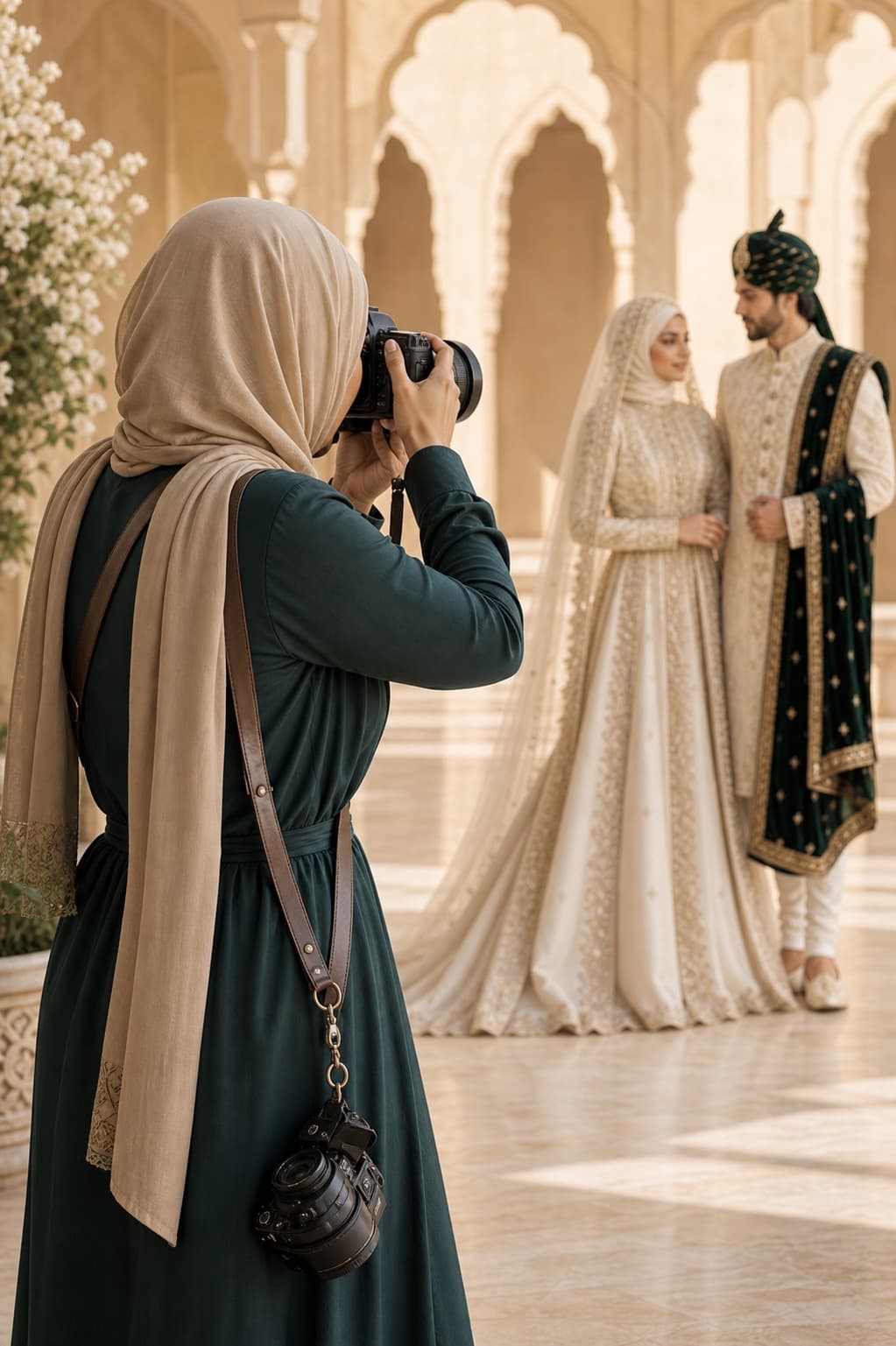
Muslim Wedding Photography Shot List: Nikah, Mehndi and Walima
Plan the photographs that matter at your nikah, mehndi, baraat and walima. This practical UK guide covers family groups, privacy, ceremony moments and the final photographer brief.
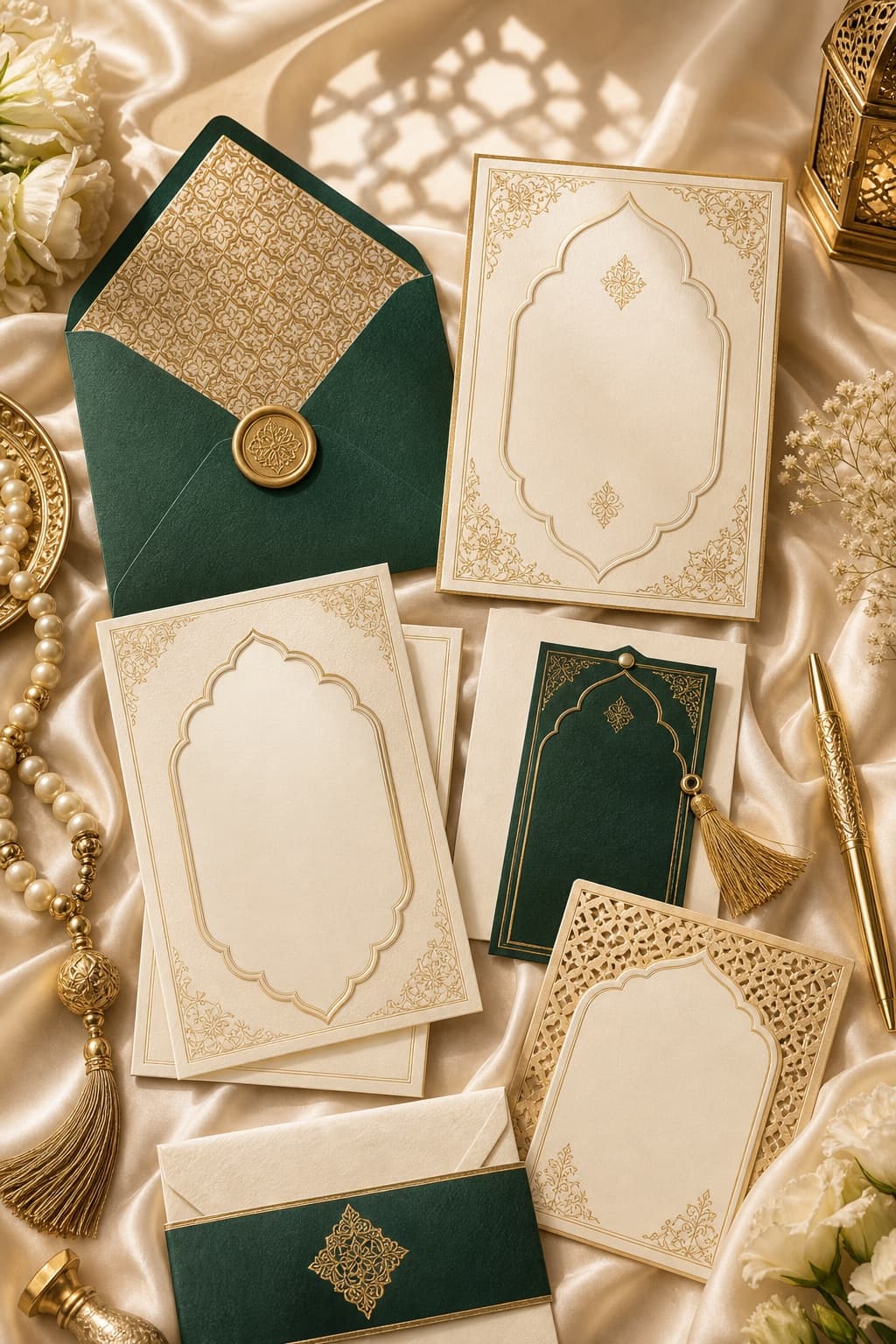
Muslim Wedding Gifts: What to Give at a Nikah or Walima
Practical gift ideas for UK Muslim weddings, with guidance on cash, personalisation and receiving presents across a nikah and walima.

What to Wear to a Muslim Wedding: A UK Guest Guide
Practical outfit advice for guests at a nikah, mehndi or walima, including mosque dress codes, headscarves, colours and what to ask the couple.