Finding a Female Wedding Photographer for Your Nikah, Mehndi or Walima
How to book a female photographer for a segregated nikah, mehndi or walima in the UK: what female coverage means, what to ask before you book and what to do if it is not delivered.
Words by Ilyas Amar
26 August 2026
8 minute read
Updated 21 October 2026
Sources, estimates and corrections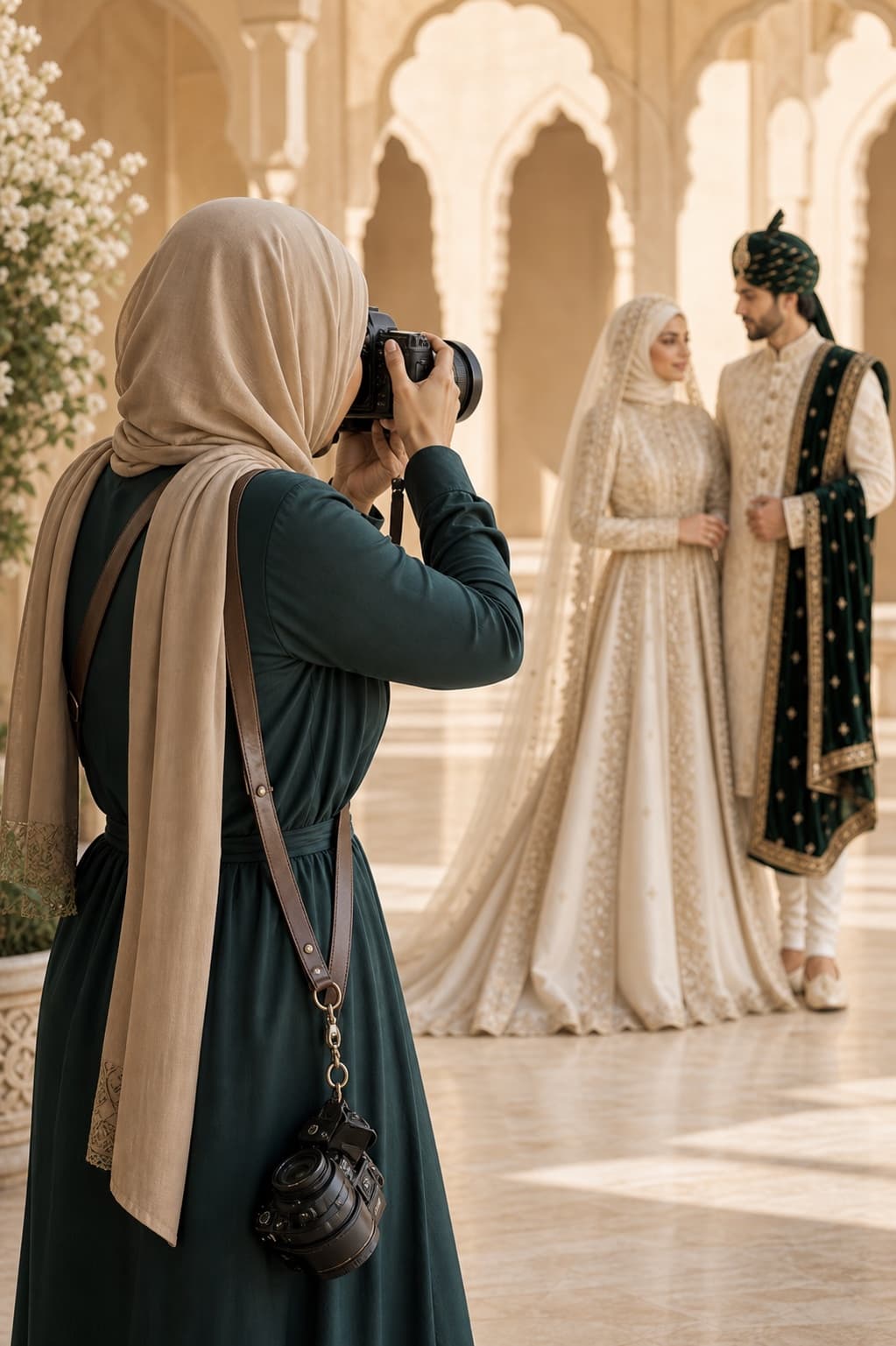
Many British Muslim couples want to know whether a studio can send a female photographer for the women's side of a mehndi or for a segregated walima. This guide explains why couples ask, what female coverage can mean, what to confirm before you book and what to do if the arrangement is not delivered. Preferences and practice vary between families, so follow what is right for yours.
Why do couples ask for a female photographer?
The reasons are personal and vary between families. Some brides prefer that only women see them without a hijab, many nikah, mehndi and walima celebrations have separate women's areas, and parents or in-laws may have a firm preference. Some brides also feel more relaxed in front of a female photographer. None of these needs justifying to a supplier.
- Religious comfort. Some brides and families prefer that only women see the bride without her hijab, or during a mehndi where make-up, hair and outfits are being finished in a private space.
- Segregated events. Many nikah, mehndi and walima celebrations run with separate men's and women's areas, sometimes in different rooms or at different times. In a women-only space a male photographer would not be present, so the ladies' side needs its own coverage or it goes undocumented.
- Family expectations. Even where the couple are relaxed about it, parents or in-laws may have a firm preference, particularly for the mehndi night and the bridal prep shots.
- Comfort in front of the camera. Some brides say they relax more, and the photos feel more natural, when the person behind the lens is a woman.
A photographer used to Muslim weddings should be able to answer the request in a sentence rather than treat it as a special favour. If a studio makes it awkward, that tells you something about how the rest of the booking may go.
What does "female coverage" actually mean?
"Female wedding photographer" can describe several different set-ups: a solo female photographer for the whole wedding, a studio that matches you with a female associate, or a mixed team where a woman covers the women-only parts and a colleague covers the rest. Ask which one you are being offered, and get it in writing.
| Set-up | What it means | What to confirm |
|---|---|---|
| Solo female photographer | One woman shoots the whole wedding across the nikah, mehndi and walima | Whether she works alone or with assistants, and that she is available for every event |
| Studio with a female associate | You are matched with a woman while the studio is run or owned by someone else | Her name, whether she is staff or a freelancer, and who covers if she is unavailable |
| Mixed team | A woman covers the women-only parts, such as bridal prep, the mehndi and the ladies' section of a segregated walima, and a colleague covers the men's side | The handover plan at the point where the event separates, and who is in each room |
If you want a fully female team throughout, including any second shooter, videographer or assistant, agree that in writing rather than assuming it from the word "female" in a business name or social media bio.
On PlanMyNikah, a Female photographer badge on a photography listing means the lead photographer is a woman, and we review the portfolio at application. It says nothing about second shooters, videographers or assistants, so ask about them. How We Verify explains what each badge does and does not mean.
What should you ask before you book?
Ask for names, not categories. Who will be in the room during the mehndi and bridal preparation, how the handover works at a segregated event, whether any second shooter or videographer is also female, how men's and women's coverage will be delivered, and whether you can see a full gallery from a segregated event. Keep the answers in writing.
- "Who will physically be in the room during the mehndi and bridal prep?" Get names, not just "a female photographer". Some studios use freelancers on the day, so the person you meet at the consultation may not be who turns up.
- "How do you handle the handover between the women's and men's sections at a segregated event?" A good answer describes a specific plan, such as a family member or wedding coordinator as the go-between and a fixed changeover time, not "we'll figure it out on the day".
- "Will any videographer, second shooter or assistant also be female, or only the lead photographer?" It is easy to assume the whole crew is female and be surprised on the day.
- "Do you edit and deliver the men's and women's coverage separately if we need that?" Some families want the ladies' mehndi images kept private within the family rather than in a shared online gallery. Set this up in advance.
- "Can you show me a full gallery from a segregated mehndi or walima you have shot, not just a highlights reel?" A highlights reel can hide gaps. A full gallery shows whether the women's side was covered as thoroughly as the men's.
How much does a female photographer cost?
There is no single UK price to quote here, and we have not published an average because we have no reliable data. Cost varies by region, how many events you cover, the studio's experience and the size of the crew. Ask several studios for itemised quotes, and ask what differs if a quote for female coverage is higher.
Nikah, mehndi and walima coverage is often quoted separately or as a bundle, so compare like with like. If a quote for female coverage is noticeably higher than the same studio's standard rate, ask what specifically is different about the crew or the deliverables. Sometimes it is simply a second shooter being added.
What can go wrong with a female coverage request?
The usual problems are vague promises, no handover plan, assuming video follows the same rule, and leaving the arrangement until the day itself. Each is avoidable if you ask for names, a handover plan and written confirmation before paying a deposit, and confirm everything again about a week before the wedding.
- Vague reassurance instead of names. "Don't worry, we'll sort a lady for you" without confirming who, in writing, before the deposit.
- No plan for the handover. If nobody has thought through how the photographer moves between a men's and a women's space, you can end up with a gap in coverage at the moment the bride enters the walima.
- Assuming videography is covered by the same rule. A female videographer is a separate ask. Confirm it separately.
- Leaving it to the day. Confirm the arrangement again a week before the wedding, especially if the studio uses freelance associates who can change between booking and event.
What are your rights if the photographer does not deliver what was agreed?
Under the Consumer Rights Act 2015, a trader must perform a service with reasonable care and skill, and what they say or write about the service, which you take into account when booking, is treated as part of the contract. So get the female coverage promise in writing before you pay a deposit.
Citizens Advice says that if a service falls short, the law means you must first give the trader the option of providing it again, if that is possible, and that you can ask for a discount. For a one-off event such as a wedding, repeating the service may not be possible, so ask how they will put it right and what discount they offer. You can ask for things to be put right for up to 6 years in England, Wales and Northern Ireland, and up to 5 years in Scotland.
Check the deposit and cancellation terms before you pay. Citizens Advice says that outside the cooling-off period a business may keep some or all of a deposit to cover its financial loss, and that you may have a contract even if nothing is in writing, so note who you spoke to and what was agreed. This is general information, not legal advice.
How do you find the right photographer?
Browse PlanMyNikah's photography and videography vendors to see who covers your area, filter for a female photographer and message them about their team set-up. Or share one request and get matched quotes, mentioning female coverage from the first message. Our listings are limited, so ask other studios the same questions.
For the wider set of things to confirm beyond photography, read our guide to questions to ask Muslim wedding vendors before you book. If you are still working out which events need which kind of coverage, read what happens at a mehndi night, plan the shots with our Muslim wedding photography shot list, and see our guide to planning a segregated wedding.
Which sources does this guide use?
The planning advice here is editorial. The consumer-rights points come from the Consumer Rights Act 2015 and Citizens Advice, and the badge description comes from our How We Verify page. We checked each source on 20 October 2026. This is general information, not legal advice, and rules can change.
- Citizens Advice: If you are unhappy about poor service for reasonable care and skill, the option to provide the service again, discounts and the time limits.
- Citizens Advice: Cancelling a service you have arranged for deposits, cooling-off and contracts that are not in writing.
- Consumer Rights Act 2015, section 49 for the reasonable care and skill term, and section 50 for information about the service being binding.
- How We Verify for what the Female photographer badge means and how it is checked.
The practical edit
Frequently asked questions
Do I have to explain why I want a female photographer?
No. You do not need to justify the request to a supplier. Say clearly which events need female coverage and who will be in each space, and ask the studio to confirm in writing.
Can I get a fully female crew, including videography?
Sometimes, but it depends on the studio. Ask specifically about the videographer, any second shooter and assistants as well as the lead photographer, and ask for the team's names in writing.
What if my mehndi and walima are segregated but my nikah is not?
Tell the studio exactly which events are segregated and which are not when you enquire, so they can plan the right crew for each one rather than assuming the whole booking needs the same set-up.
Is it more expensive to book a female photographer?
Prices vary by studio, region, the number of events and the size of the crew, so ask for an itemised quote. If the quote for female coverage is higher than the studio's standard rate, ask what specifically is different.
How far in advance should I book?
Ask each studio how far ahead they book for your date. Start enquiring as soon as you have a date and a venue, so you have time to compare quotes and confirm the team.
The letter from the editor
Wedding planning tips, straight to your inbox
Nikah checklists, budget advice and practical ideas, about twice a month. No spam.
Continue the edition
Related reading
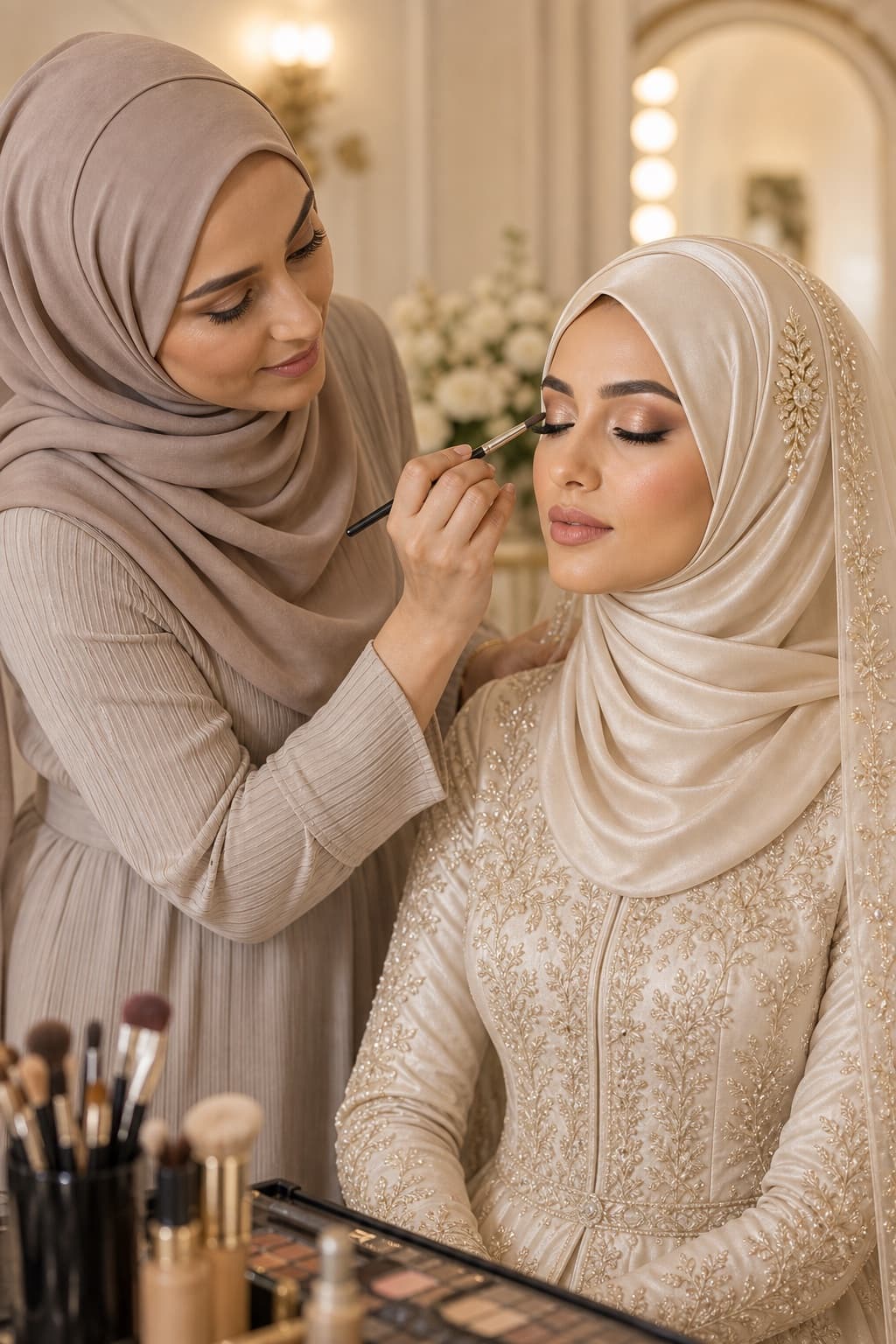
Asian Bridal Makeup Trial: A UK Muslim Bride’s Checklist
Make your bridal trial a rehearsal for the whole look, not just the makeup. A practical guide to hijab and dupatta setting, privacy, photographs and preparation for your nikah or walima.
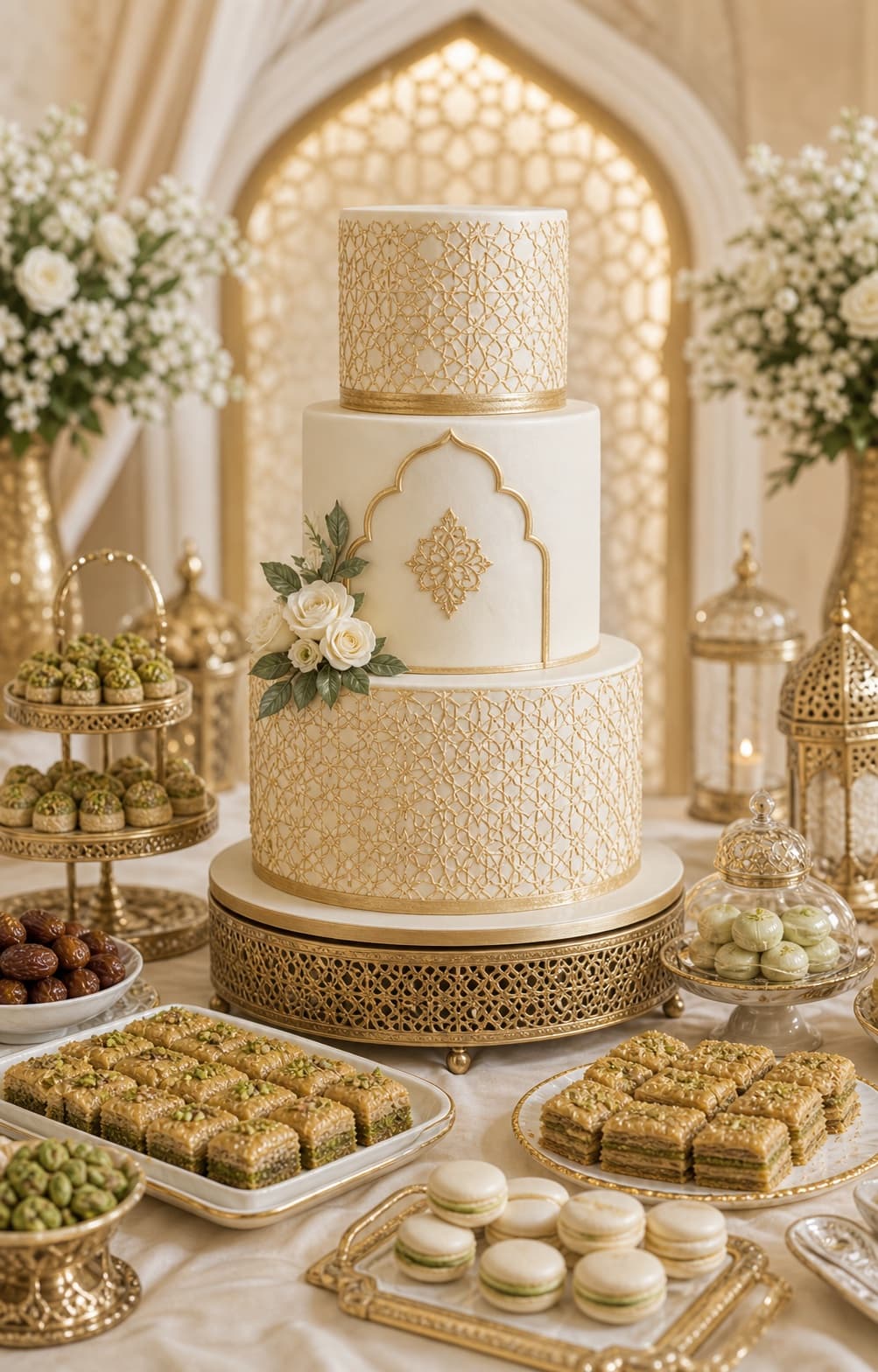
Halal Wedding Cake Guide for UK Muslim Couples
Choose a halal wedding cake with confidence. This practical UK guide covers ingredients, certification, allergens, tastings, delivery and venue setup.
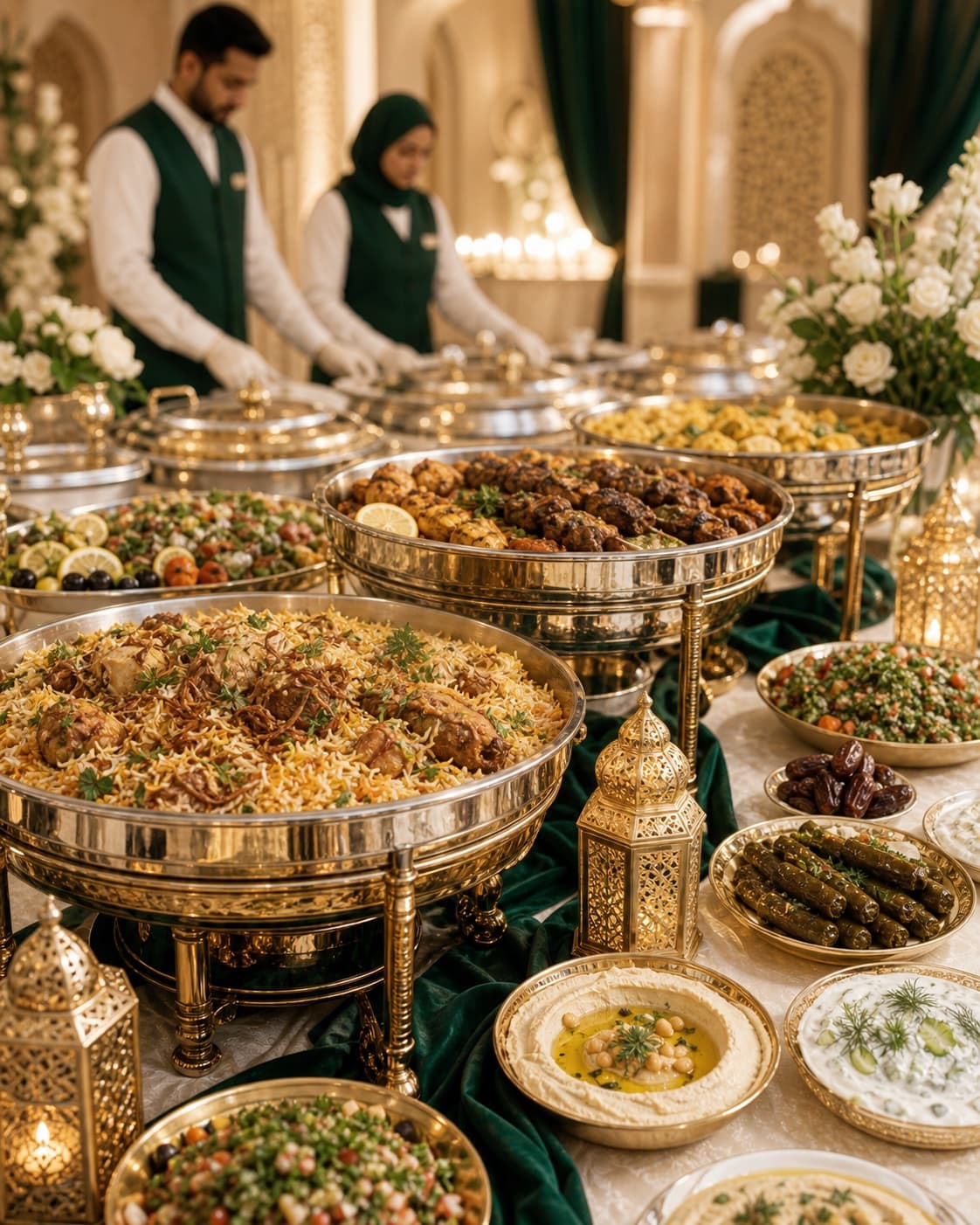
Asian Wedding Food Menu Ideas for UK Muslim Couples
Build a balanced halal menu for your mehndi, nikah, baraat or walima. This practical UK guide covers dishes, service styles, allergies and tasting questions.