Muslim Wedding Photography Shot List: Nikah, Mehndi and Walima
Plan the photographs that matter at your nikah, mehndi, baraat and walima. This practical UK guide covers family groups, privacy, ceremony moments and the final photographer brief.
Words by PlanMyNikah Team
29 September 2026
9 minute read
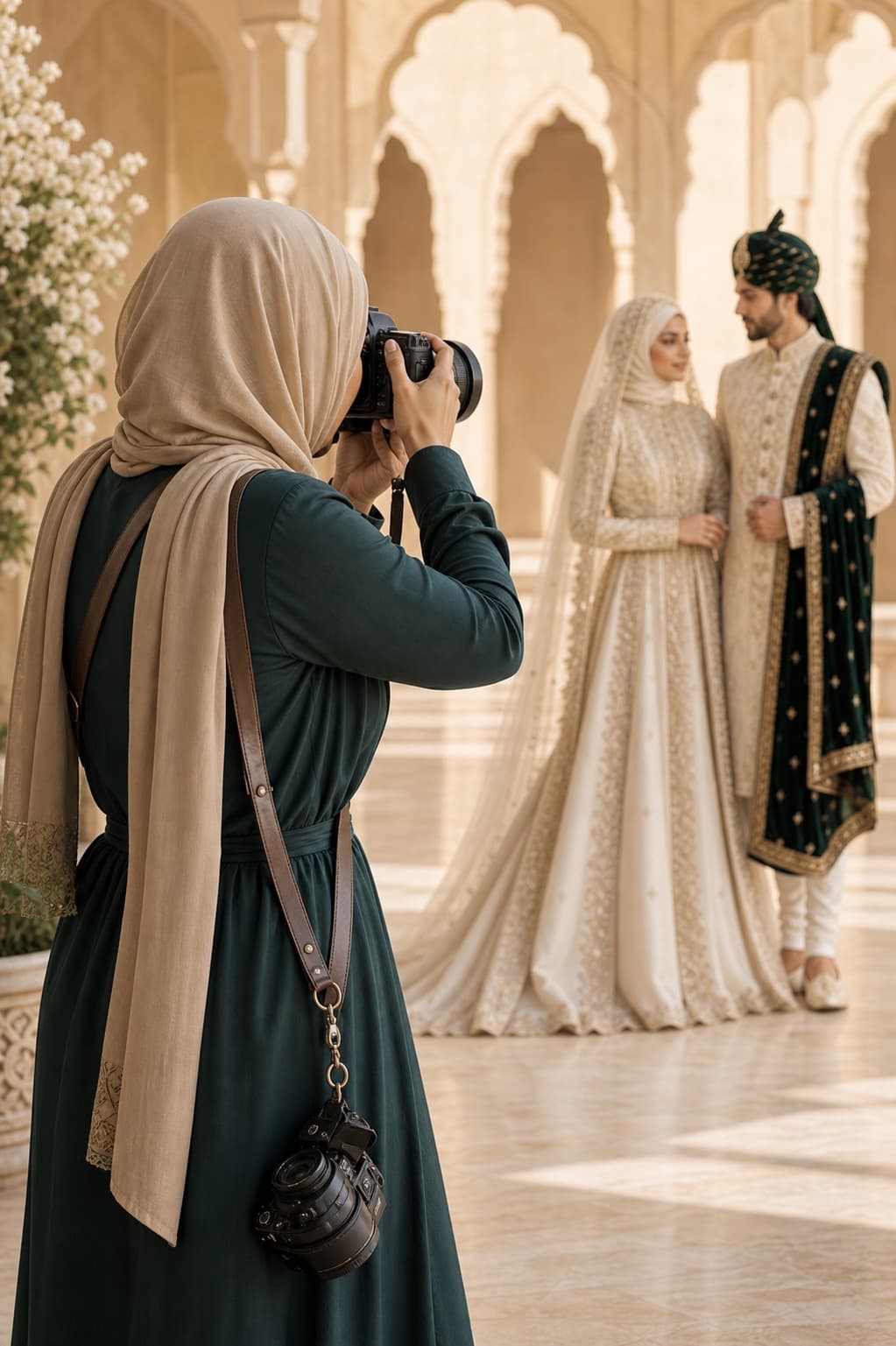
Your wedding photographs should help you remember the people, atmosphere and small details that made each event feel like yours. The easiest way to make that happen is not to hand your photographer an enormous list copied from a generic wedding blog. It is to create a short, clear brief that reflects your nikah, your families and the way you want your celebration documented.
This Muslim wedding photography shot list covers the moments couples often want from a nikah, mehndi, baraat and walima. Use it as a starting point, then remove anything that does not fit your plans. Every family and ceremony is different, so your final list should follow the guidance of your imam, venue and chosen suppliers.
Before you build your wedding photography shot list
Agree your privacy boundaries first
Photography is not only about style. For many Muslim couples, privacy affects who can take photographs, where they can stand and who may see the finished images.
Tell your photographer in writing if any part of the wedding is women-only, screened or fully segregated. Confirm whether male team members may enter, whether video is allowed, and whether photographs can appear on websites or social media. Do not assume a “private gallery” automatically means images will never be used for marketing.
If you are planning separate spaces, our guide to planning a segregated wedding can help you think through entrances, staffing and privacy before the day.
Map each event and location
A Muslim or South Asian wedding may include several events, but there is no single required format for every family. Write down exactly what you are holding, where it will happen and who will attend.
For each event, give the photographer:
- the venue and room names
- the planned order of moments
- any separate entrances or prayer spaces
- the names of important relatives and guests
- any restrictions set by the mosque, imam or venue
- the family member who can gather people for group photographs
This practical information is more useful than a long mood board with no timings or names.
The Muslim wedding photography shot list
Getting ready and meaningful details
Getting-ready photographs tell the quieter part of the story before guests arrive. Choose details that genuinely matter rather than every object in the room.
Consider including:
- the nikah outfit, shoes and jewellery
- the groom’s outfit, watch, cufflinks or fragrance
- the rings, if you are exchanging them
- the written mahr agreement or nikah documents, without exposing private information
- invitations, calligraphy or family heirlooms
- final hijab, turban, hair or makeup adjustments
- parents or siblings helping the couple prepare
- a calm portrait before leaving for the ceremony
Ask before photographing documents. Names, addresses, signatures and other personal details should not be clearly visible in images that may later be shared.
Venue and guest arrivals
Before the room fills, ask for wide photographs of the mosque, ceremony space or wedding hall. Include the details you spent time choosing, such as the stage, flowers, signage, table settings and prayer arrangements.
Arrival photographs might include close family and friends greeting one another. If the couple will enter separately, explain where the photographer may stand without obstructing guests.
Nikah ceremony photographs
Nikah arrangements vary between mosques, imams, families and schools of thought. The photographer should never guess what will happen or move around during a sensitive moment without permission. Ask the imam or organiser what photography is allowed and share the answer with the team before the day.
Depending on your ceremony, your list may include:
- the ceremony space before it begins
- the bride and groom arriving
- the imam addressing the couple and guests
- the offer and acceptance
- witnesses present for the contract
- the nikah document being signed
- the mahr being presented or acknowledged, if appropriate
- du'a and quiet reactions from parents or grandparents
- the couple holding their certificate after the ceremony
- immediate family portraits
- a newly married couple portrait in an agreed location
Some moments may take place in different rooms. If that applies to your nikah, decide whether you need separate photographers or whether one person can move between spaces without compromising privacy.
Mehndi photographs
A mehndi is full of colour and movement, but small interactions often matter most. Give the photographer enough context to recognise them.
Useful mehndi photographs include:
- fresh henna details and the artist at work
- the bride’s outfit, jewellery and floral accessories
- the mehndi setup before guests arrive
- natural moments with mothers, sisters and friends
- relatives applying or admiring the henna
- group portraits before the room becomes busy
- food, favours and handmade decor
- dancing, dhol or family performances, where included
- a final portrait showing the complete mehndi look
If henna is still being applied, keep posing simple and comfortable. Plan the key portrait before the event becomes busy.
Baraat and arrival photographs
If your celebration includes a baraat, explain the route, meeting point and welcome customs. Photograph the anticipation, greetings and reactions as well as the entrance.
Your list could cover:
- the groom and close family before departure
- cars or transport that have personal meaning
- the procession arriving
- the bride’s family welcoming guests
- greetings between both families
- the couple’s entrance, if they enter together later
- candid photographs of relatives meeting and celebrating
Make sure the photographer knows whether any entrance is men-only, women-only or filmed from a restricted position.
Walima and reception photographs
The walima may bring together guests who missed the nikah, so family photographs can be especially important. Share the running order clearly.
Consider asking for:
- the room, stage and tables before guests sit down
- the couple entering the walima
- portraits of the couple in their walima outfits
- parents and grandparents welcoming guests
- speeches or du'a, if included
- the meal being served and a few thoughtful food details
- natural table photographs without interrupting people as they eat
- the cake or dessert table, where relevant
- family groups and friendship groups
- farewell moments at the end of the celebration
If guests will queue for stage photographs, appoint someone who knows both families to keep the line moving and check that priority guests are not missed.
Build a family group photograph list
“Photograph everyone important” is too vague on a busy wedding day. Write the exact groups you want using names and relationships. Start with elderly relatives and anyone who may need to leave early.
A simple order might move from the smallest family groups to wider ones:
- couple with both sets of parents
- couple with each set of parents separately
- couple with grandparents
- couple with siblings and their households
- couple with close extended family
- bride with her immediate family
- groom with his immediate family
- couple with close friends
Keep this focused. Extra combinations can follow if time allows. Give a copy to the relative or friend gathering people.
Choose a photography style that fits your family
Style is broader than posing. Documentary photography prioritises natural moments, editorial portraits feel more directed, and traditional coverage emphasises formal family groups. Many photographers blend these approaches.
Ask to see complete galleries from real nikahs, mehndis or walimas, not only a small selection of social-media highlights. Check how the photographer handles busy halls, modest posing, low light, large family groups and separate spaces.
When comparing teams, use PlanMyNikah to browse wedding photographers and videographers, then work through these questions to ask Muslim wedding vendors before signing a contract.
Give your photographer a useful final brief
Your final brief should be easy to scan on a phone. Include the event order, addresses, key contacts, privacy rules, priority family groups and the moments that matter most. Mark genuine must-haves clearly and treat inspiration images as guidance rather than a promise to recreate another couple’s wedding.
Also confirm:
- who may approve changes on the day
- whether the team may share images publicly
- how private galleries and downloads will be handled
- whether a female photographer is required in women-only spaces
- how the photographer and videographer will coordinate
- what happens if the schedule runs late
If privacy or women-only coverage is central to your plans, read our guide to finding a female wedding photographer.
A calm brief creates better photographs
The best Muslim wedding photography shot list is personal, practical and respectful. It helps the photographer understand your ceremony and family without turning the day into a rigid photoshoot. Agree the boundaries early, protect the moments that matter and leave space for natural joy.
When you are ready, you can explore photography and videography suppliers on PlanMyNikah and compare their experience, style and approach at your own pace.
Sources: Memory Filming, Nikkah photography guide; Bridebook, questions to ask your wedding photographer; Hitched, questions to ask your wedding photographer. Sources checked 29 September 2026.
The practical edit
Frequently asked questions
What should be on a Muslim wedding photography shot list?
Include the people, ceremony moments and cultural details that matter to your own family. A useful list normally covers preparation, venue details, the nikah, family groups, couple portraits and any mehndi, baraat or walima events you are holding. Remove anything that does not fit your celebration.
Can a photographer take pictures during the nikah?
It depends on the setting and the rules agreed with the imam, mosque, family and venue. Ask in advance about flash, movement, filming and access to prayer or women-only areas. Give those boundaries to the photographer in writing.
Do we need a female photographer for a Muslim wedding?
Not every couple does, but a female photographer may be essential if women-only areas must remain private from male suppliers. Confirm who will be present on the photography and video team, including assistants, before booking.
Who should organise family photographs?
Choose a relative or friend who recognises the people on your group list and is confident calling them over. The photographer can arrange the composition, but a family helper is usually better placed to find an aunt, grandparent or sibling in a busy venue.
How do we stop our wedding photographs being posted online?
Discuss privacy before signing the contract. Ask for the image-use and portfolio terms to reflect your wishes, and confirm that the same rules apply to photographers, videographers and assistants. Tell guests about any no-photo areas too, because supplier rules alone cannot control personal phones.
The letter from the editor
Wedding planning tips, straight to your inbox
Nikah checklists, budget advice and practical ideas, about twice a month. No spam.
Continue the edition
Related reading
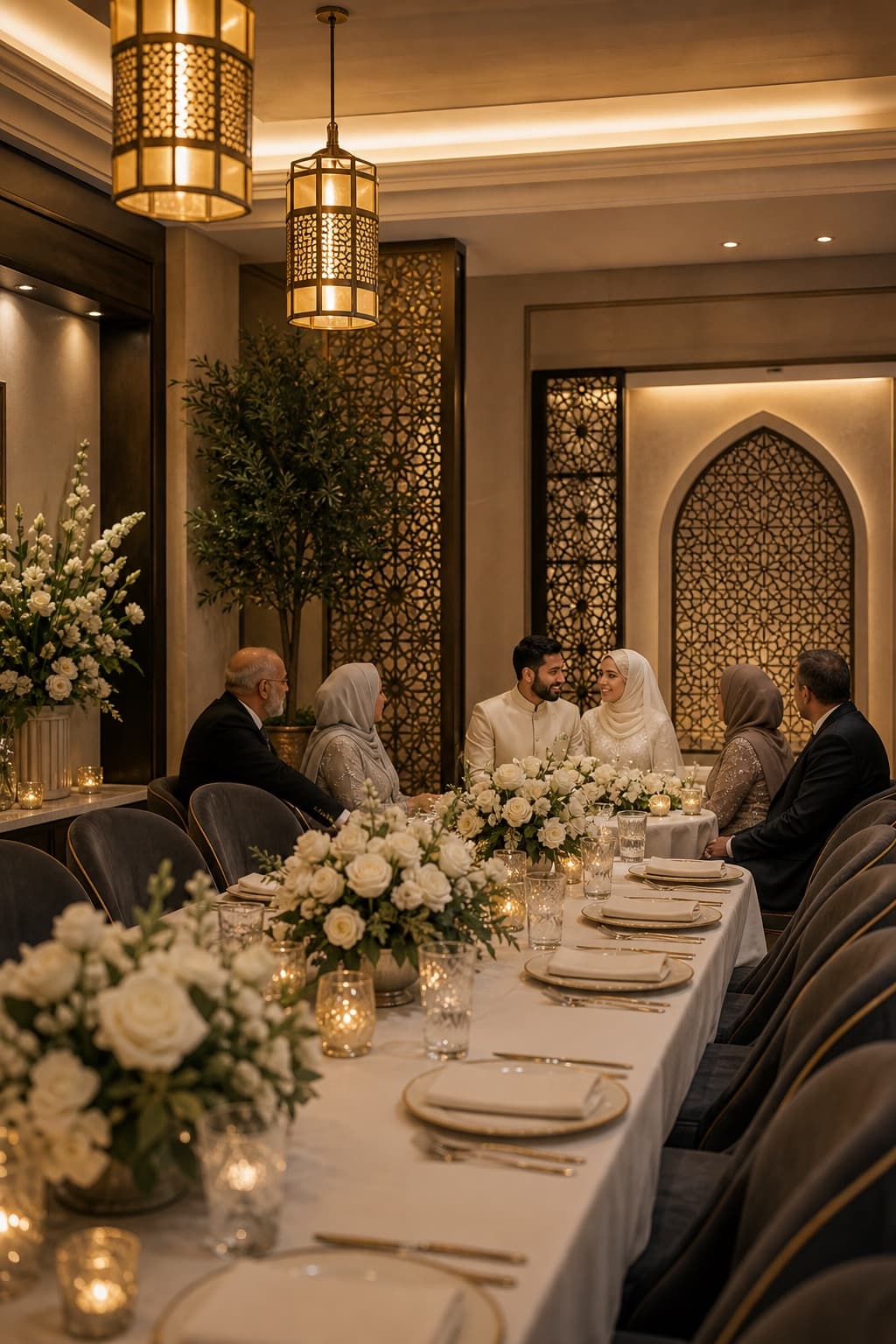
Walima Planning Checklist for UK Muslim Couples
A practical walima planning checklist for UK Muslim couples, covering guests, budget, venues, halal catering, privacy, suppliers and the running order.
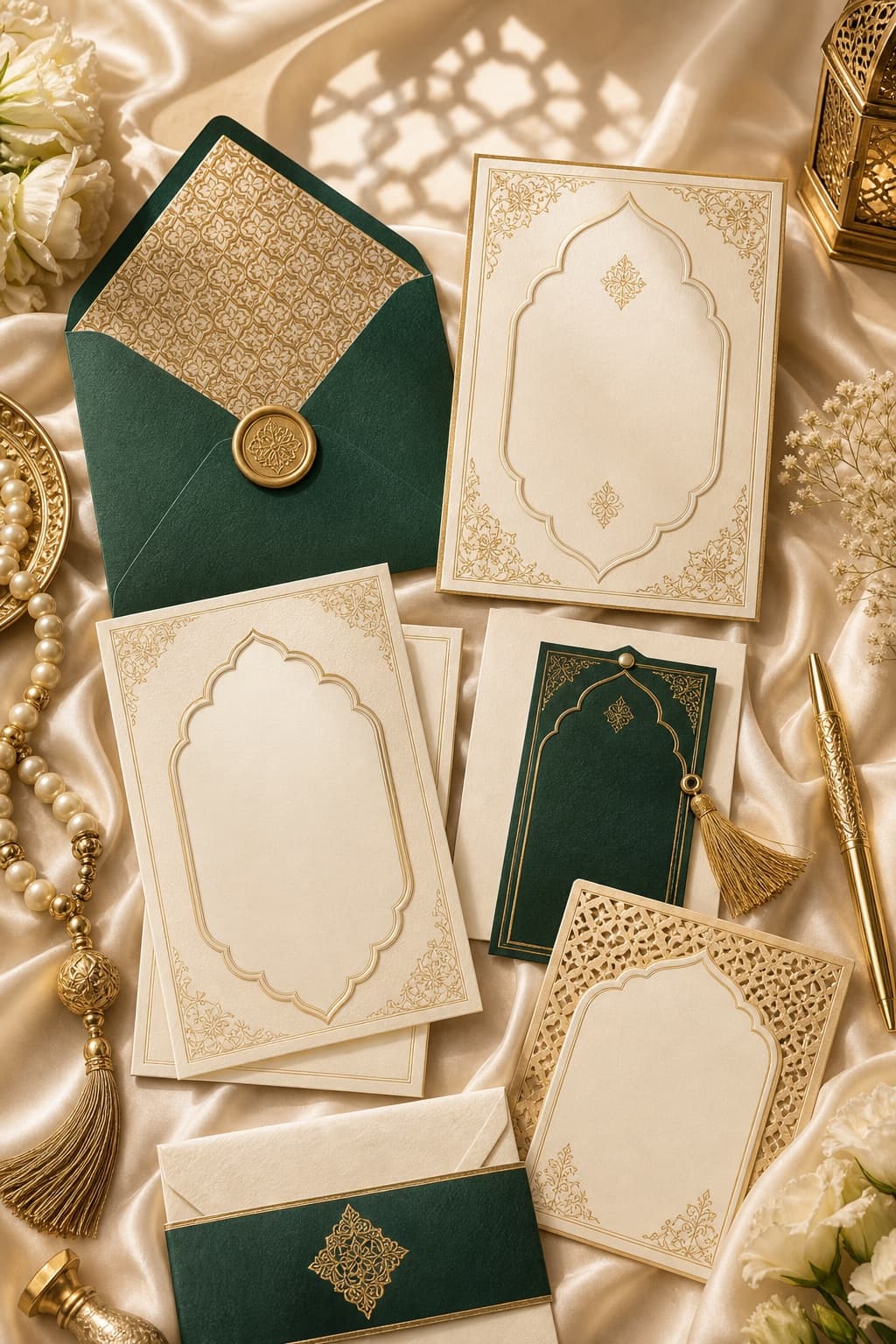
Muslim Wedding Gifts: What to Give at a Nikah or Walima
Practical gift ideas for UK Muslim weddings, with guidance on cash, personalisation and receiving presents across a nikah and walima.
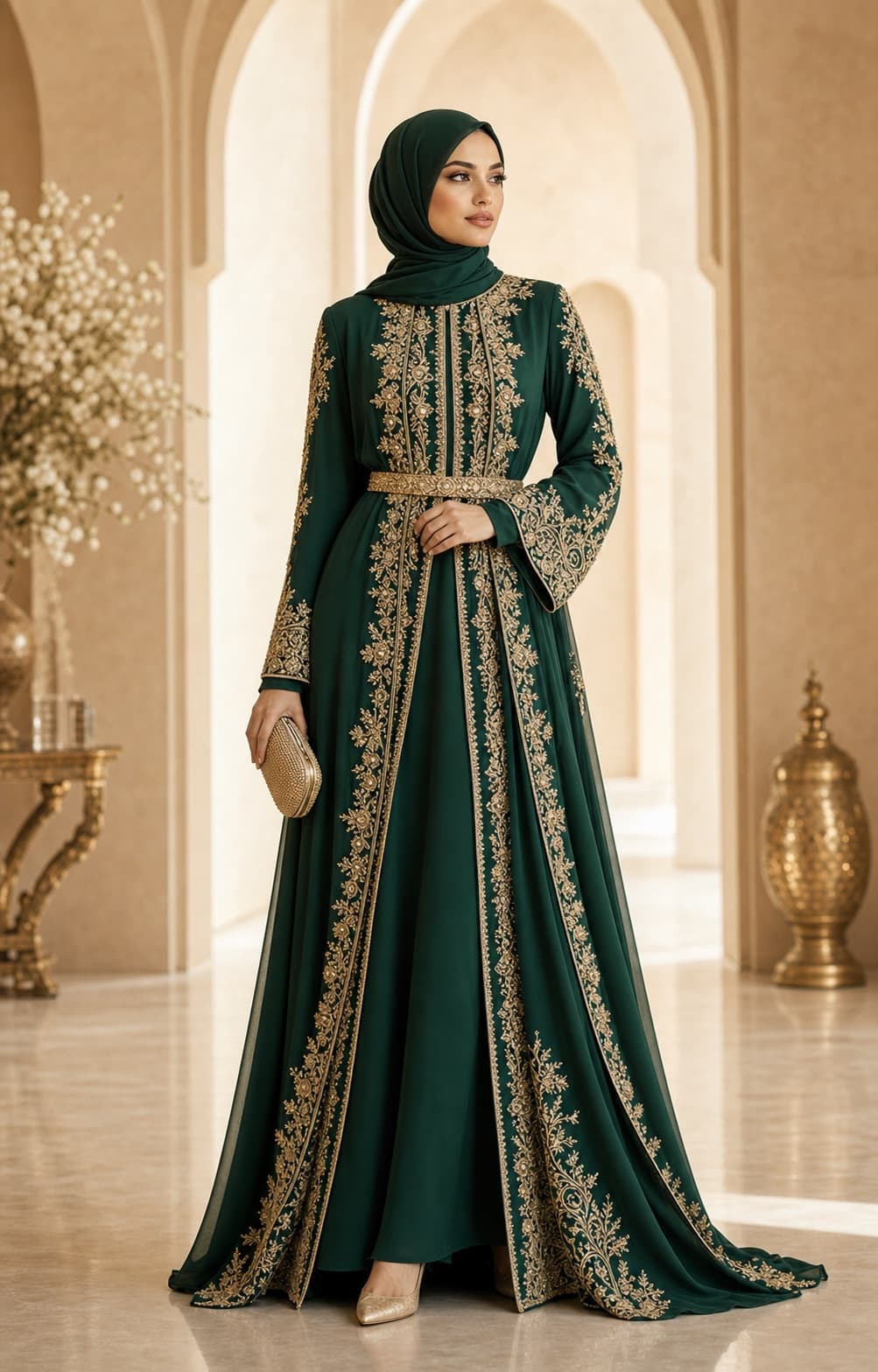
What to Wear to a Muslim Wedding: A UK Guest Guide
Practical outfit advice for guests at a nikah, mehndi or walima, including mosque dress codes, headscarves, colours and what to ask the couple.